
Understanding your heart rate can help you recognize your effort, manage workout intensity, and make your training more purposeful.
When exercising, it is easy to focus on how fast you run, how many repetitions you complete, or how long you spend working out. However, your body’s response to exercise is just as important. Paying attention to your heart rate can give you a better understanding of how hard your body is working and help you adjust your activities based on your fitness goals.
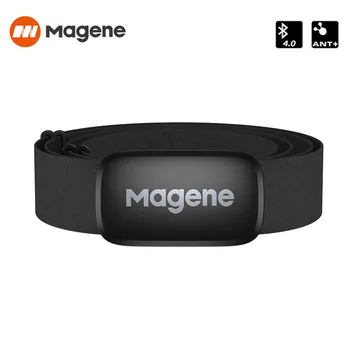
A heart rate monitor is a useful tool for people who enjoy running, cycling, gym workouts, or other physical activities. Rather than relying entirely on how tired you feel, it provides information that can help you become more aware of your effort and training patterns.
Understanding What Your Heart Rate Tells You
Your heart rate refers to the number of times your heart beats per minute. During physical activity, your heart generally beats faster to deliver oxygen-rich blood to your muscles. The intensity of your movement, your fitness level, stress, sleep, hydration, and even temperature can influence how quickly your heart beats.
A heart rate monitor helps track these changes while you exercise. Depending on the device, it may display your current heart rate, average heart rate, workout duration, and other activity information. These measurements can help you better understand how your body responds to different types of exercise.
Over time, reviewing your workout information may help you recognize patterns, such as how your heart rate changes during warm-ups, steady exercise, or more challenging training sessions.
Why Workout Intensity Matters
Not every workout needs to be intense to be effective. Some training sessions are meant to build endurance through steady movement, while others focus on speed, strength, or higher levels of effort. Understanding your intensity can help you avoid treating every workout like a competition.
Heart rate zones are often used to describe different levels of exercise intensity. Lower zones are generally associated with easier activities, while higher zones correspond to more demanding exercise. These zones can provide a general guide when planning workouts, although they vary depending on individual factors and the method used to calculate them.
Using a heart rate monitor can help you recognize when you may be pushing harder than intended, especially during workouts designed to be moderate or steady.
Make Your Training More Consistent
Consistency is often more valuable than occasional intense workouts. A heart rate monitor can help you maintain a more controlled approach to training, making it easier to balance challenging sessions with recovery days.
For example, runners can use heart rate information to avoid starting too quickly during longer runs. Gym enthusiasts may use it to observe how their heart rate responds between sets or during circuit training. People returning to exercise after a break may also find the information helpful when gradually increasing their activity levels.
The goal is not to constantly watch your monitor but to use its information as one part of your overall training experience.
Learn to Combine Data With How You Feel
Although heart rate monitors provide useful measurements, they should not be the only factor guiding your workouts. Your energy levels, breathing, muscle fatigue, comfort, and recovery are equally important. Two workouts may produce different heart rate readings even when they feel similar because of changes in sleep, stress, hydration, or environmental conditions.
Learning to combine wearable data with your body’s signals can help you make more sensible adjustments. If you feel unusually tired, dizzy, or unwell, do not rely on a device reading alone to determine whether it is safe to continue exercising.
Make Every Workout More Meaningful
Fitness progress is not always about doing more or moving faster. Sometimes, it comes from understanding your body better, knowing when to challenge yourself, and recognizing when to slow down.
A heart rate monitor can offer a clearer picture of your training habits and help you approach exercise with greater awareness. When used thoughtfully, it becomes a practical companion for building consistency, improving your fitness experience, and staying connected to your personal goals.
Explore fitness accessories and workout essentials at Sports Motion Hub to support a more informed approach to training.



0 Comments